Skip to content

TechDirectArchive

Hands-on IT, Cloud, Security & DevOps Insights

  • Home
  • About
  • Advertise With US
  • Reviews
  • Contact
  • Toggle search form
Home » Windows » How to enable or disable Windows Defender Antivirus Scanning periodically on Windows via Windows Settings
  • ad lds 832x400 1
    Active Directory Lightweight Directory Services [AD LDS] Windows Server
  • scroll
    How to Take a Scrolling Screenshot on Windows 11 Windows
  • PA File
    File Audit and Monitoring: PA File Sight Ultra review and product details Reviews
  • Featured image new 1
    Detect if an application was uninstalled on Windows: Find out who has uninstalled an application via Windows Event Viewer Windows
  • mfa
    Microsoft Azure Multi-Factor Authentication (MFA) AWS/Azure/OpenShift
  • WAMP errors
    Apache errors associated with WAMP installation for TeamPass Web Server
  • sql
    How to alter a DATABASE compatibility level Oracle/MSSQL/MySQL
  • original
    Windows Deployment Services: WDSUTIL CommandLine Options on Windows Server 2019 Windows Server

How to enable or disable Windows Defender Antivirus Scanning periodically on Windows via Windows Settings

Posted on 01/09/202215/12/2023 Matthew By Matthew No Comments on How to enable or disable Windows Defender Antivirus Scanning periodically on Windows via Windows Settings
Featured-image_Periodic-scanning
Windows Defender Periodic Scanning

In this article, we shall discuss How to enable or disable Windows Defender Antivirus Scanning periodically on Windows via Windows Settings. Microsoft Defender Antivirus offers “Periodic Scanning,” which scans and removes threats that other Windows Security may have missed. View periodic scanning as an extra defence layer against cyber threats if you utilize non-Windows Defender products like CrowdStrike Falcon, Bitdefender, or McAfee (Trilix). Please see how to view Microsoft Defender Antivirus update details on Windows 10 image (install.wim), and new Windows 11 encryption features and security enhancements will help protect hybrid work.

This mechanism identifies and prevents computer threats, collaborating with Windows Security software and third-party antivirus on Windows 10 and 11. Active Windows Defender security enables automatic Limited Periodic Scanning, protection and monitoring. Activate periodic scanning the Microsoft Defender is passive. However, it will monitor missed threats.

Individuals who use Microsoft Defender as their primary antivirus on their machine can enable Microsoft Defender to check for viruses on a regular basis by following this extensive guide: Periodic Scanning: How to schedule Windows Defender Antivirus to scan on Windows | Learn [Solve IT].

According to Microsoft, this feature is not needed for use in enterprise environments. Mostly for individual users, Periodic Scanning detects malware using limited Windows Security features, missing more threats managed by the primary security.

Learn more about Windows Security encryption features in these related posts: How to restore quarantined files in Microsoft Defender Antivirus, How to find and remove Malware with Microsoft Defender Offline, and how to remove Microsoft Defender update on Windows 10 and Windows Server image.

How to enable periodic scanning

If you have a third-party security program installed on your computer, follow the steps below to start Limited Periodic Scanning.

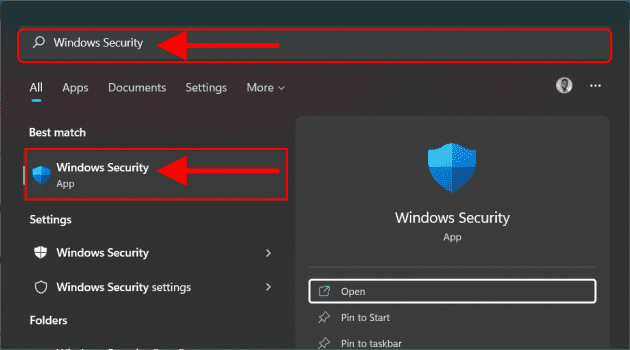
Activate the Start menu by pressing the Windows key.
Windows Safety
Opening Windows Security in Start menu

Click on Virus & Threat Protection. You should be able to see the antivirus program you’re running in the Virus & Threat Protection section.

System Protection
Windows Security

Scroll down and click on the Microsoft Defender Antivirus options setting and turn on Periodic scanning. You may need admin access to complete this task.

PC Security
Turn on Periodic scanning

After activating this feature, you will observe extra options: virus settings, intrusion prevention, and the choice for advanced scans.

image4
Current threats details

How to disable periodic scanning Windows Security

To disable Windows Defender Antivirus periodic scanning, follow the steps below:

Open Windows Security and click on Virus & threat protection. Scroll down and click on the Microsoft Defender Antivirus options setting and turn off the Periodic scanning.

image3
Turn off Periodic scanning

After you complete the procedures, Microsoft Defender Antivirus will no longer scan your computer for viruses on a regular basis if a third-party solution is installed on the device.

I hope you found this article useful on How to enable or disable Windows Defender Antivirus Scanning periodically on Windows via Windows Settings. Please feel free to leave a comment below.

Rate this post

Thank you for reading this post. Kindly share it with others.

  • Share on X (Opens in new window) X
  • Share on Reddit (Opens in new window) Reddit
  • Share on LinkedIn (Opens in new window) LinkedIn
  • Share on Facebook (Opens in new window) Facebook
  • Share on Pinterest (Opens in new window) Pinterest
  • Share on Tumblr (Opens in new window) Tumblr
  • Share on Telegram (Opens in new window) Telegram
  • Share on WhatsApp (Opens in new window) WhatsApp
  • Share on Pocket (Opens in new window) Pocket
  • Share on Mastodon (Opens in new window) Mastodon
  • Share on Bluesky (Opens in new window) Bluesky
  • Share on Threads (Opens in new window) Threads
  • Share on Nextdoor (Opens in new window) Nextdoor
Security | Vulnerability Scans and Assessment, Windows Tags:AntiMalware, AntiVirus, Defender Antivirus, Microsoft Defender Antivirus, Microsoft Windows, scan, Windows 10, Windows 11, Windows Defender Antivirus

Post navigation

Previous Post: Prevent your PC from sending Diagnostics Feedback off via Windows Settings and Group Policy
Next Post: How to Install and Configure WordPress on Your Windows Computer Using WAMP SERVER

Related Posts

  • create a Lenovo USB Recovery key
    Windows 10 Yoga Recovery: Download the files needed to create a Lenovo USB Recovery key Windows
  • GoogleTimeError
    Google Chrome reports your clock is behind: How to fix clock synchronization issues in Windows Windows
  • NTUSER Files in Windows
    What Is the NTUSER.DAT File in Windows? Windows
  • Groovy
    How to install Groovy on Linux and Windows Configuration Management Tool
  • BitLocker MBAM Frequently Asked Questions
    Disable the Sleep Mode: UEFI and TPM and BitLocker FAQs Windows
  • How to setup a new computer without a Microsoft account
    How To Setup A New Computer Without A Microsoft Account on Windows 11 Windows

More Related Articles

create a Lenovo USB Recovery key Windows 10 Yoga Recovery: Download the files needed to create a Lenovo USB Recovery key Windows
GoogleTimeError Google Chrome reports your clock is behind: How to fix clock synchronization issues in Windows Windows
NTUSER Files in Windows What Is the NTUSER.DAT File in Windows? Windows
Groovy How to install Groovy on Linux and Windows Configuration Management Tool
BitLocker MBAM Frequently Asked Questions Disable the Sleep Mode: UEFI and TPM and BitLocker FAQs Windows
How to setup a new computer without a Microsoft account How To Setup A New Computer Without A Microsoft Account on Windows 11 Windows

Leave a Reply Cancel reply

You must be logged in to post a comment.

Microsoft MVP

VEEAMLEGEND

vexpert-badge-stars-5

Virtual Background

GoogleNews

Categories

veeaam100

sysadmin top30a

  • ad lds 832x400 1
    Active Directory Lightweight Directory Services [AD LDS] Windows Server
  • scroll
    How to Take a Scrolling Screenshot on Windows 11 Windows
  • PA File
    File Audit and Monitoring: PA File Sight Ultra review and product details Reviews
  • Featured image new 1
    Detect if an application was uninstalled on Windows: Find out who has uninstalled an application via Windows Event Viewer Windows
  • mfa
    Microsoft Azure Multi-Factor Authentication (MFA) AWS/Azure/OpenShift
  • WAMP errors
    Apache errors associated with WAMP installation for TeamPass Web Server
  • sql
    How to alter a DATABASE compatibility level Oracle/MSSQL/MySQL
  • original
    Windows Deployment Services: WDSUTIL CommandLine Options on Windows Server 2019 Windows Server

Subscribe to Blog via Email

Enter your email address to subscribe to this blog and receive notifications of new posts by email.

Join 1,832 other subscribers
  • RSS - Posts
  • RSS - Comments
  • About
  • Authors
  • Write for us
  • Advertise with us
  • General Terms and Conditions
  • Privacy policy
  • Feedly
  • Telegram
  • Youtube
  • Facebook
  • Instagram
  • LinkedIn
  • Tumblr
  • Pinterest
  • Twitter
  • mastodon

Tags

AWS Azure Bitlocker Microsoft Windows PowerShell WDS Windows 10 Windows 11 Windows Deployment Services Windows Server 2016

Copyright © 2025 TechDirectArchive


Loading Comments...
 

You must be logged in to post a comment.