Skip to content

TechDirectArchive

Hands-on IT, Cloud, Security, Veeam & DevOps

  • Home
  • About
  • Advertise With US
  • Reviews
  • Contact
  • Toggle search form

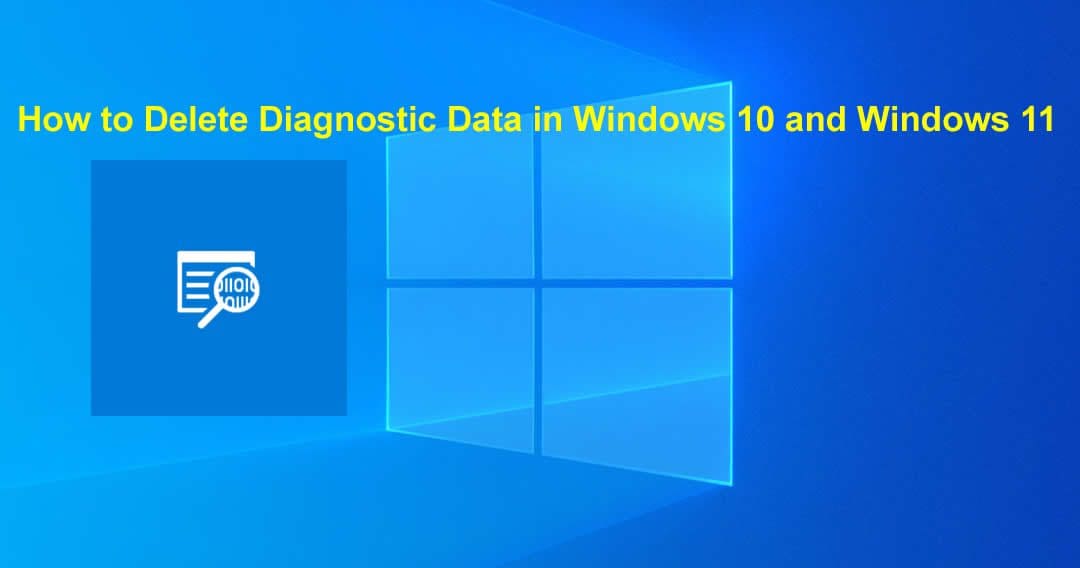
How to Delete Diagnostic Data in Windows 10 and Windows 11

Posted on 23/07/202229/09/2023 Temitope Odemo By Temitope Odemo No Comments on How to Delete Diagnostic Data in Windows 10 and Windows 11
  1. Home
  2. Windows
  3. How to Delete Diagnostic Data in Windows 10 and Windows 11
How to Delete Diagnostic Data in Windows 10 and Windows 11

Whether you are using Windows 11 or Windows 10 you may not be aware that Microsoft has a diagnostic system on your computer to collect diagnostic data from your system which they use to improve their operating system. Read this if you want to know how to enable and Use Diagnostic Data Viewer in Windows. You may wish not to keep this Diagnostic Data on your system, Microsoft also provided a feature that you can use to delete this data. In this guide, I will be showing you how to delete this diagnostic data from Windows 10 and Windows 11 systems.

If you want to read more on some diagnostic tools you can read these: Workaround for Microsoft Support Diagnostic Tool Vulnerability, How to Improve Website Response using Traffic Manager, Setup up WatchGuard Log and Report Server in a VM, How to setup WatchGuard Log Server.

Follow these steps on how to delete diagnostic data in Windows 10 and Windows 11

Windows 10

1: On your Windows 10 go to your computer setting and search for Delete diagnostic data.

search for Delete diagnostic data
Windows Settings

2. Scroll down to Delete diagnostic data and click on Delete. This deletes all diagnostic data from your system and also remove it from the Microsoft system.

Scroll down to Delete diagnostic data and click on Delete
Delete diagnostic data

Windows 11

3. On your Windows 11 go to your computer setting and search for Diagnostic and feedback.

search for Diagnostic and feedback
Diagnostic and feedback settings

4. Scroll down to Delete diagnostic data and click Delete.

click Delete.
Delete diagnostic data

Here is a video on how to delete the Diagnostic Data in Windows.

I hope you found this blog post How to Delete Diagnostic Data in Windows 10 and Windows 11 Interesting and helpful. In case you have any questions do not hesitate to ask in the comment section.

Rate this post

Thank you for reading this post. Kindly share it with others.

  • Share on X (Opens in new window) X
  • Share on Reddit (Opens in new window) Reddit
  • Share on LinkedIn (Opens in new window) LinkedIn
  • Share on Facebook (Opens in new window) Facebook
  • Share on Pinterest (Opens in new window) Pinterest
  • Share on Tumblr (Opens in new window) Tumblr
  • Share on Telegram (Opens in new window) Telegram
  • Share on WhatsApp (Opens in new window) WhatsApp
  • Share on Mastodon (Opens in new window) Mastodon
  • Share on Bluesky (Opens in new window) Bluesky
  • Share on Threads (Opens in new window) Threads
  • Share on Nextdoor (Opens in new window) Nextdoor
Windows Tags:data, Event Viewer, Microsoft Windows, Windows 10, Windows 11, Windows Server 2016

Post navigation

Previous Post: How to enable and use Diagnostic Data Viewer on Windows
Next Post: How to Install Docker Portainer on Linux

Related Posts

  • PowerShell Exec
    Determine the execution policy configured on Windows PC Windows
  • Disable and Enable USB in Windows
    Disable and Enable USB Usage for Certain Users in Windows Windows
  • Slide1
    Fix Failed to open session in VirtualBox to install Windows 11 Image  Windows
  • banner 3
    How to Set Network Adapter Priority on Windows 11 Network | Monitoring
  • automatepythonsinwindows
    Python Automation in Windows with Visual Studio Code Version Control System
  • Directmemoryattack
    How to Protect Thunderbolt Ports in Windows Windows

More Related Articles

PowerShell Exec Determine the execution policy configured on Windows PC Windows
Disable and Enable USB in Windows Disable and Enable USB Usage for Certain Users in Windows Windows
Slide1 Fix Failed to open session in VirtualBox to install Windows 11 Image  Windows
banner 3 How to Set Network Adapter Priority on Windows 11 Network | Monitoring
automatepythonsinwindows Python Automation in Windows with Visual Studio Code Version Control System
Directmemoryattack How to Protect Thunderbolt Ports in Windows Windows

Leave a Reply Cancel reply

You must be logged in to post a comment.

Microsoft MVP

VEEAMLEGEND

vexpert-badge-stars-5

Virtual Background

GoogleNews

Categories

veeaam100

Veeam Vanguard

  • Screenshot 2022 03 21 at 18.06.30
    How to Configure Virtual Host for Apache HTTP Web Server to Host Several Domains on Ubuntu 20.04 LTS Linux
  • Opswork blog 1440x800 1
    Get Started with OpsWorks for Chef Automate AWS/Azure/OpenShift
  • DC 3
    How to demote and remove a Domain Controller on Windows Servers Windows Server
  • Windows Admin Center Apply Update
    How to Apply and Enable Automatic Windows Admin Center Update Windows
  • Microsoft Enterprise Root Certification Authority and Forest Domain to Azure migration
    Migrate Microsoft Enterprise Root Certification Authority and Forest Domain to Azure AWS/Azure/OpenShift
  • annoying startup apps
    Stop an application from starting up automatically on macOS Mac
  • AssignBitLockerBackuprights
    How to delegate permissions for backing up TPM password Network | Monitoring
  • hero azure activedirectory
    How to add and verify a custom domain name to Azure Active Directory AWS/Azure/OpenShift

Subscribe to Blog via Email

Enter your email address to subscribe to this blog and receive notifications of new posts by email.

Join 1,795 other subscribers
  • RSS - Posts
  • RSS - Comments
  • About
  • Authors
  • Write for us
  • Advertise with us
  • General Terms and Conditions
  • Privacy policy
  • Feedly
  • Telegram
  • Youtube
  • Facebook
  • Instagram
  • LinkedIn
  • Tumblr
  • Pinterest
  • Twitter
  • mastodon

Tags

Active Directory Azure Bitlocker Microsoft Windows PowerShell WDS Windows 10 Windows 11 Windows Deployment Services Windows Server 2016

Copyright © 2025 TechDirectArchive

Loading Comments...

You must be logged in to post a comment.