Skip to content

TechDirectArchive

Hands-on IT, Cloud, Security, Veeam & DevOps

  • Home
  • About
  • Advertise With US
  • Reviews
  • Contact
  • Toggle search form

How to run Apps as an administrator on Windows

Posted on 17/09/202220/06/2025 Temitope Odemo By Temitope Odemo No Comments on How to run Apps as an administrator on Windows
  1. Home
  2. Windows
  3. How to run Apps as an administrator on Windows
Running Apps as Administrator

In this article, we shall discuss how to run apps as an administrator on Windows 10 and Windows 11. There are times both on Windows you will need to prevent anyone from just installing. Or running any app on your system. Sometimes, there could be some trusted programs that will require elevated privilege or permission to work. And you will really need to know how to carry out this task with appropriate permissions. Please, see how to fix Error 0xc1510111: You do not have permission to mount and modify this image, and how to fix Error 740: Elevated permissions are required to run DISM.

Sometimes, there could be some trusted programs that will require elevated privilege or permission to work and you will really need to know how to carry out this task with appropriate permissions.

If you need permission to delete old windows folder you can read Folder Access Denied, you require permission from SYSTEM: Unable to delete old windows folder.

Run Apps as an Administrator

To run a program as administrator from the Start menu context menu, use these steps:

On Windows 10, launch Start, and right-click the app. Select the More submenu and from the drop-down click the Run as administrator option.
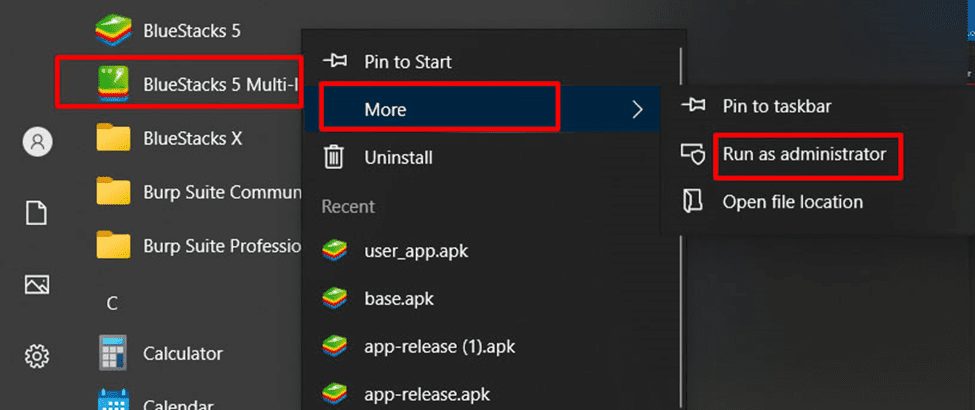
Windows 10
Why Windows 10 Start Menu Context Menu

Please, see Fix long path names to files on SQL Server installation media error, and how to delete or rename files protected by Trusted Installer. Also, see how to delegate permissions for backing up TPM password.

For Windows 11, right click on the program and select more and click on run as an administrator.
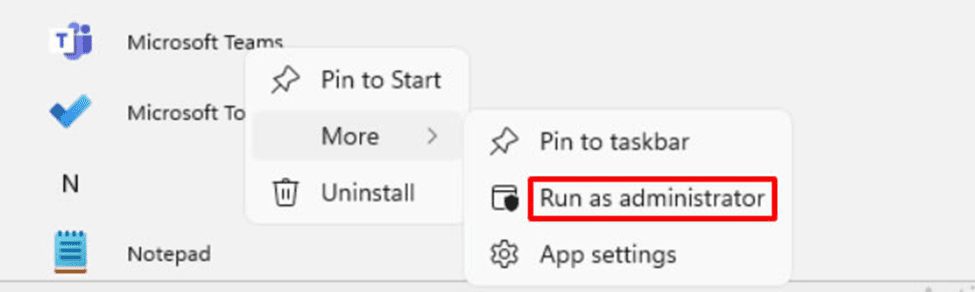
Windows 11
The Windows 11 Start Menu Context Menu

To run a program with Administrator privilege using Search, use these steps:

Open the Search box and search for the app. Then, click on the arrow on the app and select Run as administrator from the drop-down for Window 10.

Elevated Privileges
This is Windows 10 Search Box

On Windows 11, please follow the steps below.
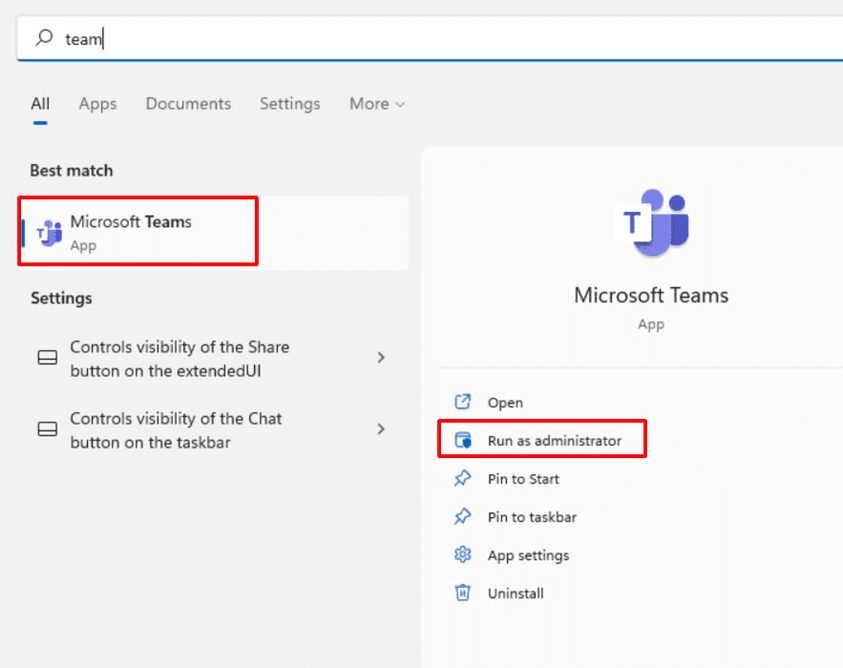
image-19
Windows 11 Search Box

You can as well just right click the app and select Run as administrator.
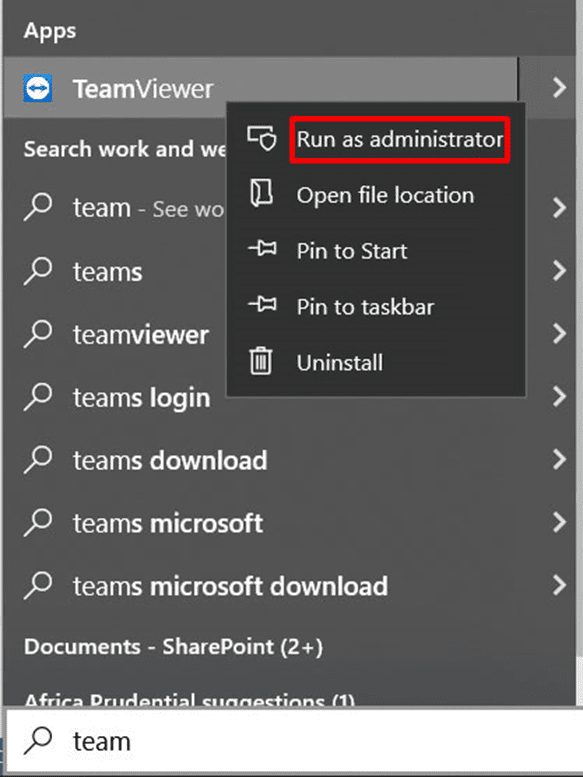
image-20
Run as Administrator on App

To run a program with Administrator privilege using Run Command, use these steps:

image-21
Run Command

To run a program with Administrator privilege using Task Manager, use these steps:
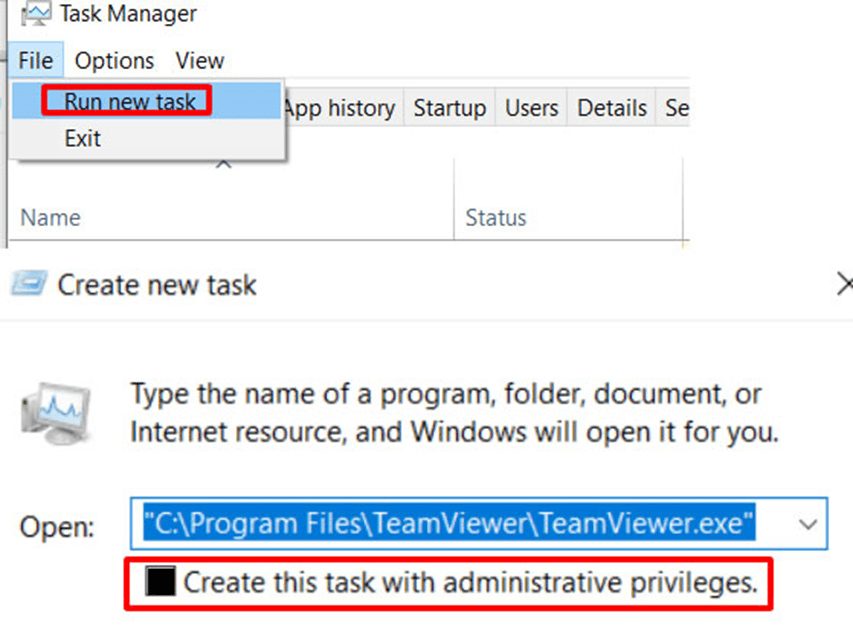
image-22
Task manager

I hope you found this blog post on how to run apps as an administrator on Windows 10 and Windows 11 Interesting and helpful. In case you have any questions do not hesitate to ask in the comment section.
5/5 - (1 vote)

Thank you for reading this post. Kindly share it with others.

  • Share on X (Opens in new window) X
  • Share on Reddit (Opens in new window) Reddit
  • Share on LinkedIn (Opens in new window) LinkedIn
  • Share on Facebook (Opens in new window) Facebook
  • Share on Pinterest (Opens in new window) Pinterest
  • Share on Tumblr (Opens in new window) Tumblr
  • Share on Telegram (Opens in new window) Telegram
  • Share on WhatsApp (Opens in new window) WhatsApp
  • Share on Mastodon (Opens in new window) Mastodon
  • Share on Bluesky (Opens in new window) Bluesky
  • Share on Threads (Opens in new window) Threads
  • Share on Nextdoor (Opens in new window) Nextdoor
Windows Tags:Microsoft Windows, Search, Task Manager, Windows 10, Windows 11, Windows Server 2016

Post navigation

Previous Post: Set up and use an upstream branch in Git
Next Post: Associate SSH Public key with Azure Linux VM

Related Posts

  • PIN9 1
    How to increase Windows PIN complexity Windows
  • How to Enable & Disable CTRL + ALT + DEL Secure Login on Windows 11
    How to Enable/Disable CTRL + ALT + DEL Secure Login on Windows 11/10 Windows
  • UEFI vs BIOS What's the Difference
    What are the Differences between UEFI and BIOS Windows
  • Featured image batch rename
    Batch rename multiple files on Windows Windows
  • Pluggin cable
    System check found some issues during MBAM encryption: Fail, the Power cable must be connected Windows
  • Windows Image Converation from Evaluation to retail Edition
    Convert Windows Server Essentials or Evaluation to Retail Edition Windows

More Related Articles

PIN9 1 How to increase Windows PIN complexity Windows
How to Enable & Disable CTRL + ALT + DEL Secure Login on Windows 11 How to Enable/Disable CTRL + ALT + DEL Secure Login on Windows 11/10 Windows
UEFI vs BIOS What's the Difference What are the Differences between UEFI and BIOS Windows
Featured image batch rename Batch rename multiple files on Windows Windows
Pluggin cable System check found some issues during MBAM encryption: Fail, the Power cable must be connected Windows
Windows Image Converation from Evaluation to retail Edition Convert Windows Server Essentials or Evaluation to Retail Edition Windows

Leave a Reply Cancel reply

You must be logged in to post a comment.

Microsoft MVP

VEEAMLEGEND

vexpert-badge-stars-5

Virtual Background

GoogleNews

Categories

veeaam100

Veeam Vanguard

  • updates
    How to stop Windows from applying updates Windows
  • uninstalloffice
    Remove All Microsoft Office Apps from Mac Network | Monitoring
  • Windows errors 1
    Check Windows Activation Status and troubleshoot activation errors Windows
  • images 6
    Important Areas to Master on WSUS Windows Server
  • xp cmdshell MSSQL
    How to verify whether the xp_cmdshell feature is enabled or disabled in MSSQL Server Oracle/MSSQL/MySQL
  • Diskspd
    Veeam Backup and Replication Disk I/O with diskspd Backup
  • settings app not working featured 800x400 1
    How to search through the Windows registry Windows Server
  • Screenshot 2024 02 28 at 11.17.41 PM
    GitHub Pages Deployment Guide Linux

Subscribe to Blog via Email

Enter your email address to subscribe to this blog and receive notifications of new posts by email.

Join 1,796 other subscribers
  • RSS - Posts
  • RSS - Comments
  • About
  • Authors
  • Write for us
  • Advertise with us
  • General Terms and Conditions
  • Privacy policy
  • Feedly
  • Telegram
  • Youtube
  • Facebook
  • Instagram
  • LinkedIn
  • Tumblr
  • Pinterest
  • Twitter
  • mastodon

Tags

Active Directory Azure Bitlocker Microsoft Windows PowerShell WDS Windows 10 Windows 11 Windows Deployment Services Windows Server 2016

Copyright © 2025 TechDirectArchive

Loading Comments...

You must be logged in to post a comment.