Skip to content

TechDirectArchive

Hands-on IT, Cloud, Security, Veeam & DevOps

  • Home
  • About
  • Advertise With US
  • Reviews
  • Contact
  • Toggle search form

How to create a Shortcut That enables Standard Users to run Applications as Administrator

Posted on 25/09/202228/08/2023 Temitope Odemo By Temitope Odemo No Comments on How to create a Shortcut That enables Standard Users to run Applications as Administrator
  1. Home
  2. Windows
  3. How to create a Shortcut That enables Standard Users to run Applications as Administrator
Creating a shortcut

If you want to know how to allow a standard user to be able to run any application with an admin privilege without requesting a password this article will show you the steps to take in achieving this. It is very simple to create a shortcut that uses the runas command with /savecred which is used to save the credentials. But using this command runas /savecred can expose your system to security issues because the standard user will be able to carry out the same operations as an administrator, so you have to be careful using this command.

However, If you want to read more on DISM permissions and privileges read this: Error 740: Elevated permissions are required to run DISM, read this if you want to know How to reset your built-in Local Administrator password in Windows 10, The connection was denied because the user is not authorized for remote Login: Enable Remote Desktop Connection on Windows 11 for non-administrators or selected users, and you if you want to know How to run apps as an administrator on Windows 10 and Windows 11

Create Administrator Shortcut for Standard Users

Furthermore, Let us enable the built-in Administrator account which is always disabled by default. Right-click the Command Prompt and click run as administrator. run the following command in case you don’t have an admin account: net user administrator /active:yes

Standard Users
Net User

After performing this action, enable the Administrator account and set up a password via Control Panel. In addition, click manage another account and set up your password.

Run applications as administrator
Manage Accounts

Nonetheless, let us create a shortcut that will launch the application with Administrator privileges. Right-click on the desktop page and click New and select Shortcut.
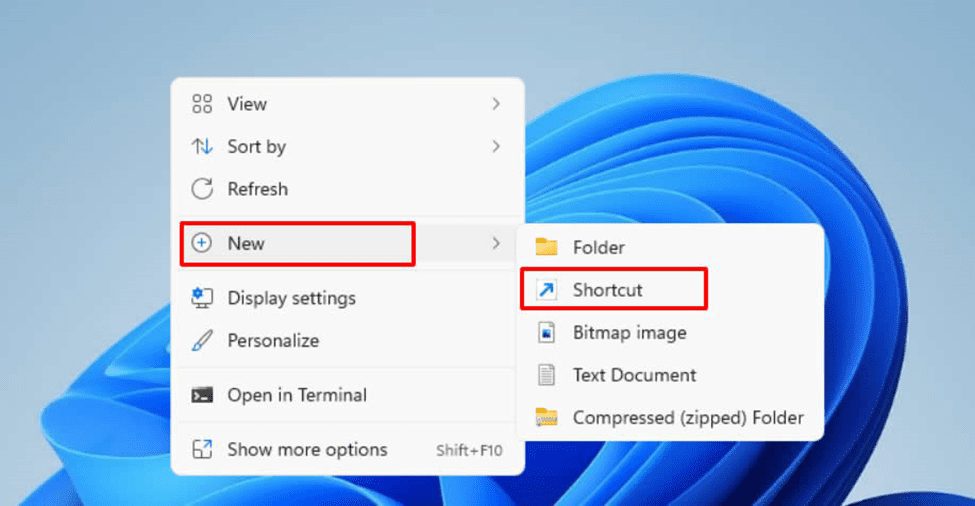
User access control
Shortcut

Enter the below command into the box that will open next:

runas /user:ComputerName\Administrator /savecred “enter your program location here“

The ComputerName is the name of your computer and also enter the location or path to the program.
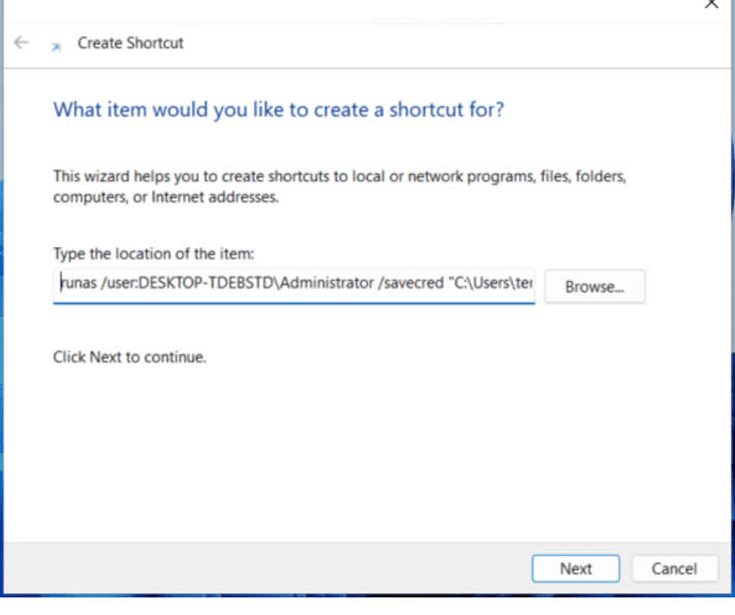
image-26
Creating Shortcut

Enter the name you will use for the shortcut.

image-27
Naming the shortcut

When you click on the shortcut the prompt will open and you enter your Administrator password.

image-28
Entering Admin Password

After completing the above the standard user account will be able to run any application as Administrator without entering a password.

I hope you found this blog post on How to create a Shortcut That enables Standard Users to run Applications as Administrator very interesting and helpful. In case you have any questions do not hesitate to ask in the comment section.

Rate this post

Thank you for reading this post. Kindly share it with others.

  • Share on X (Opens in new window) X
  • Share on Reddit (Opens in new window) Reddit
  • Share on LinkedIn (Opens in new window) LinkedIn
  • Share on Facebook (Opens in new window) Facebook
  • Share on Pinterest (Opens in new window) Pinterest
  • Share on Tumblr (Opens in new window) Tumblr
  • Share on Telegram (Opens in new window) Telegram
  • Share on WhatsApp (Opens in new window) WhatsApp
  • Share on Mastodon (Opens in new window) Mastodon
  • Share on Bluesky (Opens in new window) Bluesky
  • Share on Threads (Opens in new window) Threads
  • Share on Nextdoor (Opens in new window) Nextdoor
Windows Tags:Permission, Windows 10, Windows 11, Windows Server 2016, Windows Shortcut

Post navigation

Previous Post: Veeam at Microsoft Ignite 2022 from 12-14 October
Next Post: Create Azure Container instance to deploy your image to Azure using Azure CLI

Related Posts

  • MBAM
    Fix MBAM Client Deployment is only supported on MBAM 2.5 SP1 Windows
  • Featured image   Missing Taskbar icon
    How to Fix Taskbar Icons Missing on Windows 11 Windows
  • domain14 1
    How To Configure a Domain Password Policy Windows
  • article 1280x720.13392821
    How to use command prompt to shutdown and restart your computer Windows
  • Featured image MsTeams.
    How to share an app window on Microsoft Teams Windows
  • TPM
    Clear TPM: How to enable or disable TPM in Windows Windows

More Related Articles

MBAM Fix MBAM Client Deployment is only supported on MBAM 2.5 SP1 Windows
Featured image   Missing Taskbar icon How to Fix Taskbar Icons Missing on Windows 11 Windows
domain14 1 How To Configure a Domain Password Policy Windows
article 1280x720.13392821 How to use command prompt to shutdown and restart your computer Windows
Featured image MsTeams. How to share an app window on Microsoft Teams Windows
TPM Clear TPM: How to enable or disable TPM in Windows Windows

Leave a Reply Cancel reply

You must be logged in to post a comment.

Microsoft MVP

VEEAMLEGEND

vexpert-badge-stars-5

Virtual Background

GoogleNews

Categories

veeaam100

Veeam Vanguard

  • Feature image
    When Should I Use TPM or TPM + PIN Security | Vulnerability Scans and Assessment
  • disableFaceTime567u
    Sign out of FaceTime: How to disable or enable FaceTime on Mac Mac
  • ntp server testen
    Enable or disable Linux System’s Clock Sync with NTP Server Linux
  • xxxxxx
    How to move the Taskbar to a second screen in Windows Windows
  • update set expire
    Windows 10 and Windows 11 updates will now expire for better performance Windows
  • Microsoft365
    Microsoft 365 Backup: Why is it imperative to protect M365? Backup
  • MBAM Replacement
    MBAM extended support ends April 2026: Find alternative solution Security | Vulnerability Scans and Assessment
  • 10.0.17763.1 error
    Fix Windows 10 Setup 1809 build 10.0.17763.1 is not supported Error Windows Server

Subscribe to Blog via Email

Enter your email address to subscribe to this blog and receive notifications of new posts by email.

Join 1,801 other subscribers
  • RSS - Posts
  • RSS - Comments
  • About
  • Authors
  • Write for us
  • Advertise with us
  • General Terms and Conditions
  • Privacy policy
  • Feedly
  • Telegram
  • Youtube
  • Facebook
  • Instagram
  • LinkedIn
  • Tumblr
  • Pinterest
  • Twitter
  • mastodon

Tags

Active Directory Azure Bitlocker Microsoft Windows PowerShell WDS Windows 10 Windows 11 Windows Deployment Services Windows Server 2016

Copyright © 2025 TechDirectArchive

Loading Comments...

You must be logged in to post a comment.