Skip to content

TechDirectArchive

Hands-on IT, Cloud, Security & DevOps Insights

  • Home
  • About
  • Advertise With US
  • Reviews
  • Contact
  • Toggle search form
Home » Web Server » SSL Encrypted Communications explained

SSL Encrypted Communications explained

Posted on 13/08/201921/09/2023 Christian By Christian No Comments on SSL Encrypted Communications explained
SSL

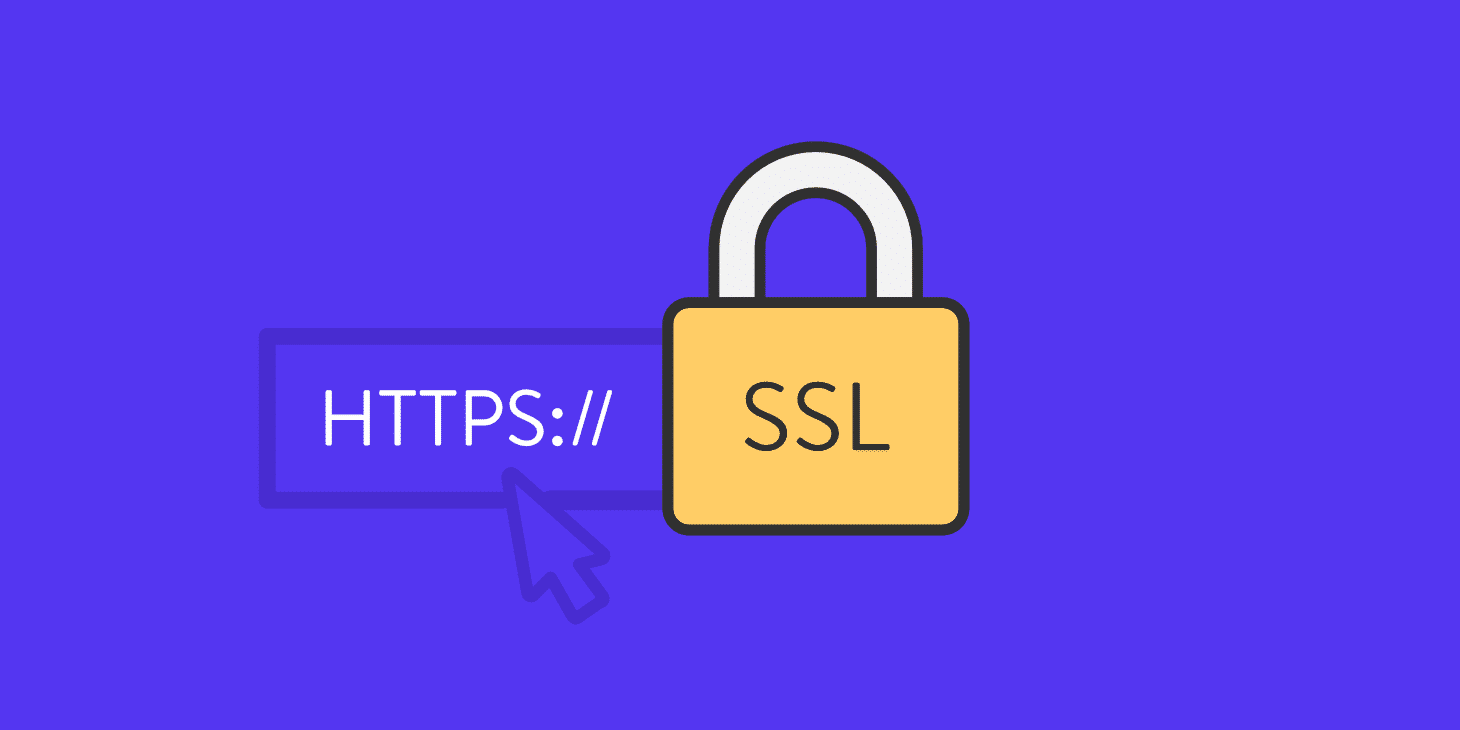
SSL certificates Type of certificate which allows multiple domains to be secured with one SSL certificate. SSL Stands for secure sockets layer. Protocol for web browsers and servers that allows for the authentication, encryption, and decryption of data sent over the Internet. See the following interesting guides on how to import a certificate into the Trusted Root and Personal file certificate store, how to request a certificate signing request in Windows using Microsoft Management Console, and how to export a certificate in PFX format in Windows.

Transport Layer Security, and its now-deprecated predecessor, Secure Sockets Layer, are cryptographic protocols designed to provide communications security over a computer network. 

I’m going to highlight only the important steps for HTTPS communication.

  • A client contacts the server.
  • The client and server exchange information about the communications they intend to perform, such as the ciphers to use (SSL handshake).
  • The server transmits its certificate to the client.
    Note: It depends on the protocol used here as the server only can send its certificate etc.
  • The client checks that it trusts the certification authority that issued the certificate. If it does not recognize the CA and does not get an override, the communication ends.
  • The client checks for revocation information on the certificate. If the certificate is revoked or revocation information is unavailable, then the client might attempt to obtain an override. Implementations vary on how they deal with null or unreachable CRL information, but almost all will refuse to communicate with any entity using a revoked certificate.
  • The client generates a portion of a temporary key for symmetric encryption.
  • The client uses the server’s public key to encrypt the partial temporary key.
  • The client sends the encrypted partial key to the server.
  • The server decrypts the partial key using its own private key.
  • The server completes the secret key.
  • The client and server agree to use the secret key. All communications in the same conversation are encrypted with that key.

Note:

Furthermore, It would be possible to use asymmetric encryption for the entire conversation. However, as we discussed earlier, asymmetric encryption results in ciphertext that greatly exceeds the size of the unencrypted source. SSL only uses asymmetric encryption to solve that problem without exposing a plaintext key while the client and server establish identity and work together to create a symmetric shared key. From that point forward, they only use symmetric encryption. That keeps the size of transmitted data to a minimum. Even better, if an attacker manages to break any point of the transmission besides the initial negotiation, they will only gain a temporary key.

I hope you found this blog post helpful. If you have any questions, please let me know in the comment session.

Rate this post

Thank you for reading this post. Kindly share it with others.

  • Share on X (Opens in new window) X
  • Share on Reddit (Opens in new window) Reddit
  • Share on LinkedIn (Opens in new window) LinkedIn
  • Share on Facebook (Opens in new window) Facebook
  • Share on Pinterest (Opens in new window) Pinterest
  • Share on Tumblr (Opens in new window) Tumblr
  • Share on Telegram (Opens in new window) Telegram
  • Share on WhatsApp (Opens in new window) WhatsApp
  • Share on Mastodon (Opens in new window) Mastodon
  • Share on Bluesky (Opens in new window) Bluesky
  • Share on Threads (Opens in new window) Threads
  • Share on Nextdoor (Opens in new window) Nextdoor
Web Server Tags:Cert, Certificate Authority, Certificate Templates, Certificates, SSL

Post navigation

Previous Post: Pleasant User Group Permission and User Access
Next Post: Components needed to create a certificate signing request

Related Posts

  • FEATURE ZABBIX
    How to Install Zabbix Monitoring Tool on a Linux System Linux
  • The Port used for the Virtualhost is not an Apache Listen Port
    Fix the Port used for the Virtualhost is not an Apache Listen Port Web Server
  • Screenshot 2022 03 21 at 18.06.30
    How to Configure Virtual Host for Apache HTTP Web Server to Host Several Domains on Ubuntu 20.04 LTS Linux
  • Slide2 1
    How to deploy WordPress on Azure App Service AWS/Azure/OpenShift
  • banner 3
    How to Create a React App with Vite Version Control System
  • BitLocker result virtualization
    Create a web page to visualize the output of BitLocker Recovery Web Server

More Related Articles

FEATURE ZABBIX How to Install Zabbix Monitoring Tool on a Linux System Linux
The Port used for the Virtualhost is not an Apache Listen Port Fix the Port used for the Virtualhost is not an Apache Listen Port Web Server
Screenshot 2022 03 21 at 18.06.30 How to Configure Virtual Host for Apache HTTP Web Server to Host Several Domains on Ubuntu 20.04 LTS Linux
Slide2 1 How to deploy WordPress on Azure App Service AWS/Azure/OpenShift
banner 3 How to Create a React App with Vite Version Control System
BitLocker result virtualization Create a web page to visualize the output of BitLocker Recovery Web Server

Leave a Reply Cancel reply

You must be logged in to post a comment.

Microsoft MVP

VEEAMLEGEND

vexpert-badge-stars-5

Virtual Background

GoogleNews

Categories

veeaam100

Veeam Vanguard

  • Feature post
    Disable Bing Search in Windows: Quick Guide for Windows Windows
  • Featured image   The Local Device Name is Already in Use
    How to Fix The Local Device Name is Already in Use Windows
  • image 75
    Useful Tutorial on CBackup Software Network | Monitoring
  • remote desktop connection tabs   rdp tabs
    Guide to Remote Desktop Connection Properties for Secure Access Windows
  • drivelock 1280x720 1
    Concept of DriveLock with a focus on Encryption Security | Vulnerability Scans and Assessment
  • VHR upgrade
    Upgrade legacy VHR to Veeam Infrastructure Hardened Repository Backup
  • unabletouninstallonedriveonmac
    Cannot Uninstall the OneDrive App: The item “OneDrive” canot be moved to the Bin because it is open JIRA|Confluence|Apps
  • how to bypass windows admin log in password 2
    How to disable Lock Screen on Windows 10 via Registry Editor Windows

Subscribe to Blog via Email

Enter your email address to subscribe to this blog and receive notifications of new posts by email.

Join 1,808 other subscribers
  • RSS - Posts
  • RSS - Comments
  • About
  • Authors
  • Write for us
  • Advertise with us
  • General Terms and Conditions
  • Privacy policy
  • Feedly
  • Telegram
  • Youtube
  • Facebook
  • Instagram
  • LinkedIn
  • Tumblr
  • Pinterest
  • Twitter
  • mastodon

Tags

AWS Azure Bitlocker Microsoft Windows PowerShell WDS Windows 10 Windows 11 Windows Deployment Services Windows Server 2016

Copyright © 2025 TechDirectArchive

Loading Comments...

You must be logged in to post a comment.