Skip to content

TechDirectArchive

Hands-on IT, Cloud, Security & DevOps Insights

  • Home
  • About
  • Advertise With US
  • Reviews
  • Contact
  • Toggle search form
Home » AWS/Azure/OpenShift » Create a new Azure Disk: How to create and attach an extra Disk to Azure Virtual Machine

Create a new Azure Disk: How to create and attach an extra Disk to Azure Virtual Machine

Posted on 26/11/202104/06/2023 Christian By Christian No Comments on Create a new Azure Disk: How to create and attach an extra Disk to Azure Virtual Machine
Webp.net-resizeimage-7

Azure-managed disks are block-level storage volumes that are managed by Azure and used with Azure Virtual Machines. This guide discusses steps to create a new Azure Disk: How to create and attach an extra Disk to Azure Virtual Machine. Therefore, I’ll be showing you how to create and attach a managed disk to a Windows Azure VM through the Azure portal. You can create and attach a new lab data disk for a lab Azure virtual machine (VM). Please see how to install Kerberos packages in Windows via Cygwin, how to configure a remote server (windows) to Support Ansible, and how to deploy Azure VMware solution private cloud, how to create a Traffic Manager profile in Azure, and how to improve website response using Traffic Manager.

The data disk can then be detached, either: deleted, reattached, or attached to a different lab virtual machine that you deployed. Kindly refer to some of these related guides: How to manage azure resource manager resource groups by using Azure CLI, how to configure Azure resources with tools, and how to automate infrastructure deployments in the cloud with ansible and azure pipelines.

Create an Azure Managed Disk

Go to the Azure Portal. Here is how this is done on AWS. In the search bar, type and then select virtual machines. Select & click the Virtual Machine which you have created. Click on this link to see how to create a virtual machine in Azure

Under settings, select disks. On the Disks section, click the + Create and attached a new disk button then create a virtual network. Create a Manage disk wizard, type the disk name(Extra Disk), select the storage type, the size, specifies the IOPS size.

Capture-79

Under Host caching choose Read/Write and to attach the data disk, click on Save option.

Capture-80

Connect to the VM via RDP

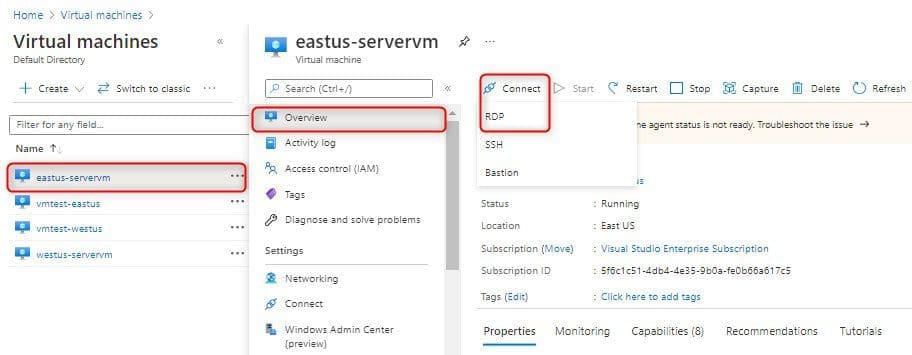
Then go back to your created virtual machine. From the Overview page, Select Connect and click on RDP, and click download RDP file.
Capture-81

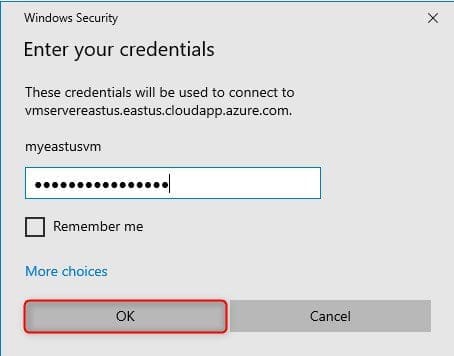
On local pc. Go to your downloaded folder. Click the downloaded RDP file, and enter your credentials and then click OK, this will connect to your remote desktop environment
Capture-82

Access the File and Storage Services

Once you logged into the VM, under Server Manager click File and Storage Services.
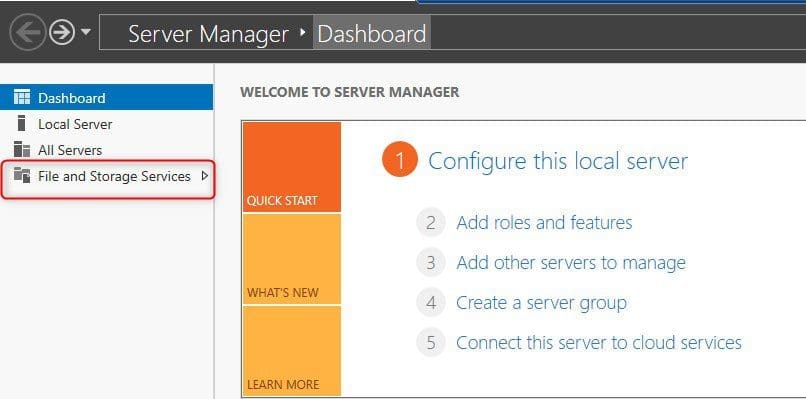
Capture-83

Select Disks option, select your 4GB unknown disk, under Volumes to create a volume start the new volume wizard.
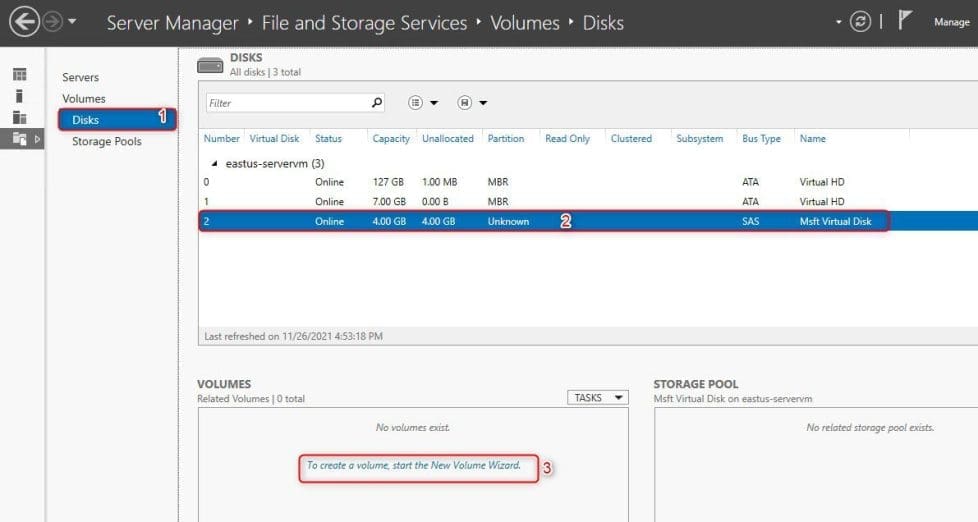
Capture-84

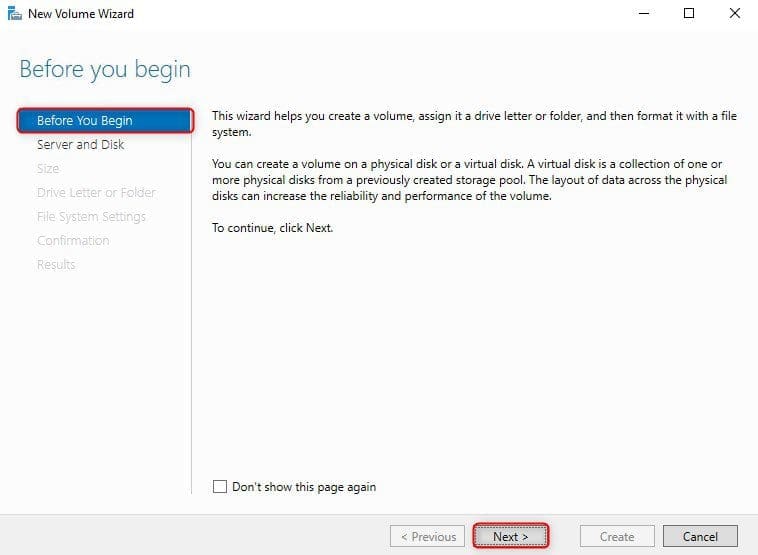
New volume wizard click next.

Capture-85

Select server and disk, click Next.

Capture-86

The selected disk will be brought online click OK. Choose a volume size as per your requirement and then click next.
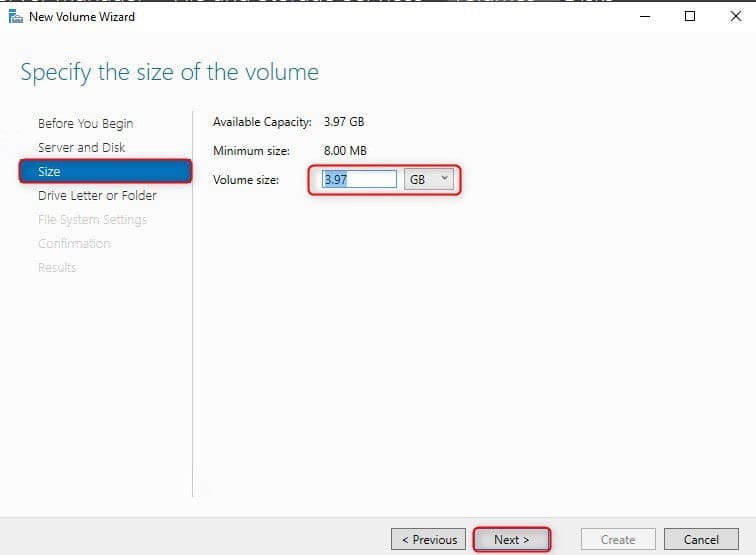
Capture-87

Assign a drive letter and then click next.
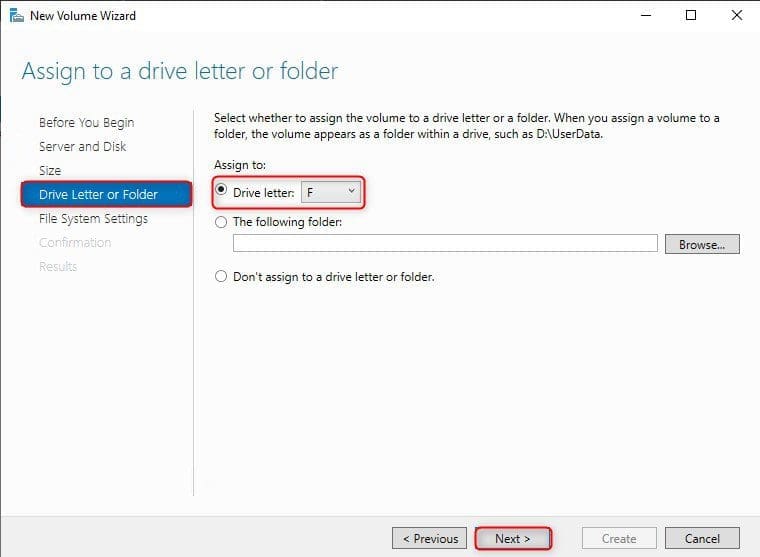
Capture-88

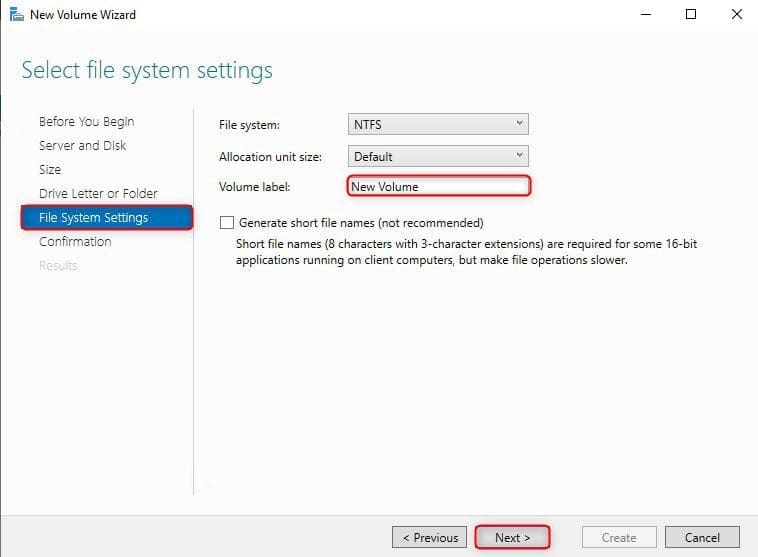
Enter a volume label and then click next.
Capture-89

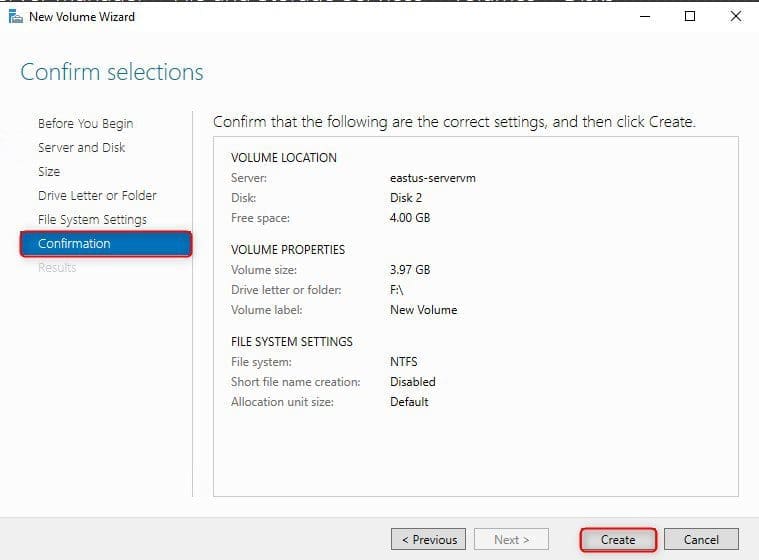
Lastly, Verify the settings and then click create.
Capture-90

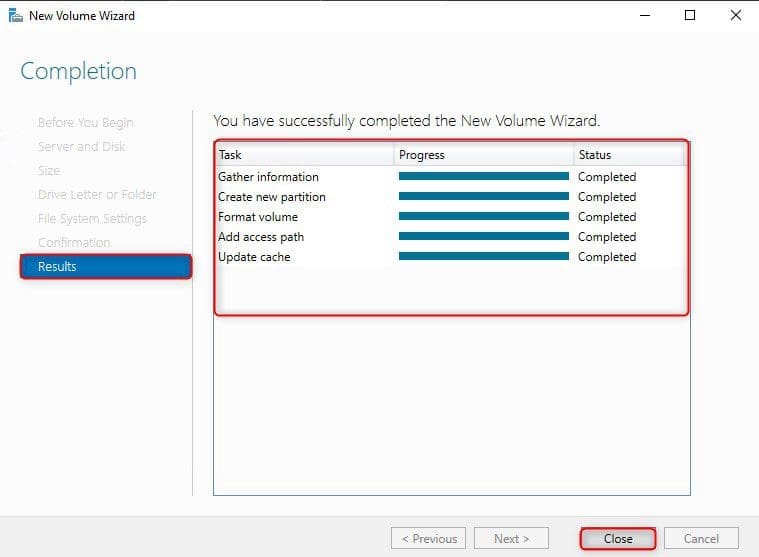
Result Completed

Capture-91

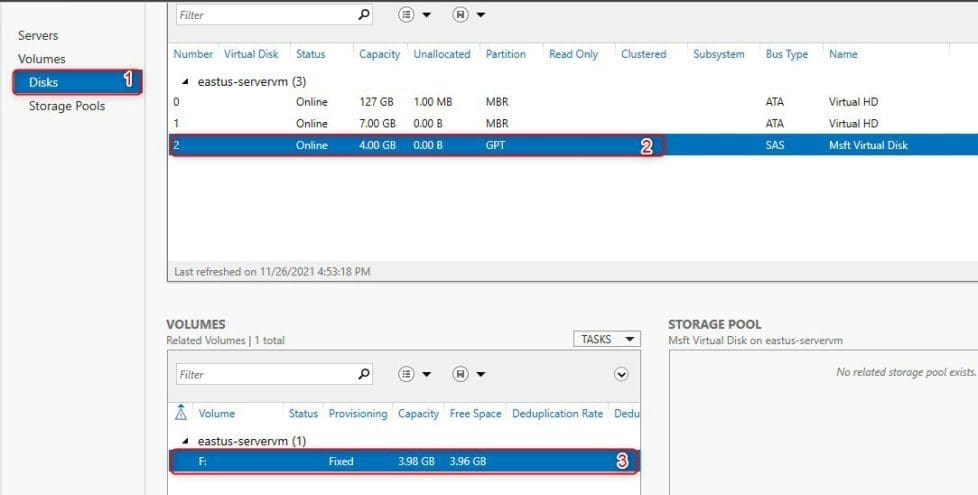
The new disk is now online, as shown below:
Capture-93

Open MY PC from the virtual machine, so you can able to see the newly attached managed disk as (F) drive as shown below. For similar steps on adding and formatting disks, kindly refer to these guides: How to add and remove a new virtual disk from a VM on VMware Workstation, and how to extend a VM’s Hard Disk on VMware Workstation

Capture-94

I hope you found this blog post helpful on steps to create a new Azure Disk: How to create and attach an extra Disk to Azure Virtual Machine. If you have any questions, please let me know in the comment session.

Rate this post

Thank you for reading this post. Kindly share it with others.

  • Share on X (Opens in new window) X
  • Share on Reddit (Opens in new window) Reddit
  • Share on LinkedIn (Opens in new window) LinkedIn
  • Share on Facebook (Opens in new window) Facebook
  • Share on Pinterest (Opens in new window) Pinterest
  • Share on Tumblr (Opens in new window) Tumblr
  • Share on Telegram (Opens in new window) Telegram
  • Share on WhatsApp (Opens in new window) WhatsApp
  • Share on Mastodon (Opens in new window) Mastodon
  • Share on Bluesky (Opens in new window) Bluesky
  • Share on Threads (Opens in new window) Threads
  • Share on Nextdoor (Opens in new window) Nextdoor
AWS/Azure/OpenShift Tags:Azure, disk, Microsoft Windows, Virtual Machine, VMs, Windows 10, Windows 11

Post navigation

Previous Post: How to create and configure a Shared Folder on Windows Server
Next Post: How to decrypt Files and Folders Encrypted with an Encryption File System (EFS) in Windows

Related Posts

  • banner
    Various ways to restart an AWS EC2 instance AWS/Azure/OpenShift
  • AADSTS50020  User from Identity Provider does not exist in Tenant
    AADSTS50020: User from Identity Provider does not exist in Tenant AWS/Azure/OpenShift
  • azure logo
    Azure CLI commands: How to use Azure Command-line Interface AWS/Azure/OpenShift
  • AZMFeature
    Performance and Diagnostics in Microsoft Cloud with Azure Monitor AWS/Azure/OpenShift
  • sonarcloud
    How to Integrate SonarCloud with Azure DevOps Pipeline AWS/Azure/OpenShift
  • Azure Backup Copy 1
    How to Delete Backup Job in Recovery Services Vault AWS/Azure/OpenShift

More Related Articles

banner Various ways to restart an AWS EC2 instance AWS/Azure/OpenShift
AADSTS50020  User from Identity Provider does not exist in Tenant AADSTS50020: User from Identity Provider does not exist in Tenant AWS/Azure/OpenShift
azure logo Azure CLI commands: How to use Azure Command-line Interface AWS/Azure/OpenShift
AZMFeature Performance and Diagnostics in Microsoft Cloud with Azure Monitor AWS/Azure/OpenShift
sonarcloud How to Integrate SonarCloud with Azure DevOps Pipeline AWS/Azure/OpenShift
Azure Backup Copy 1 How to Delete Backup Job in Recovery Services Vault AWS/Azure/OpenShift

Leave a Reply Cancel reply

You must be logged in to post a comment.

Microsoft MVP

VEEAMLEGEND

vexpert-badge-stars-5

Virtual Background

GoogleNews

Categories

veeaam100

Veeam Vanguard

  • dfeef
    How to automatically resolve errors associated with failed dependencies Linux
  • Grant Non Domain Admin Privileges to Manage Workstation
    Grant Non-Domain Admin Privileges to Manage Workstation Windows
  • Featured image 2
    Find and remove Malware with Microsoft Defender Offline Anti-Virus Solution
  • unzip mac 994x400 1
    How to set a default app to archive files on macOS Mac
  • Featured image 2
    Enable Microsoft Defender SmartScreen: How to prevent Exe files from getting deleted randomly in Windows 10 and 11 Security | Vulnerability Scans and Assessment
  • How to configure Azure container register with secured connection with container apps
    Configure Azure Container Registry for a secure connection with Azure Container Apps AWS/Azure/OpenShift
  • Encryption
    How to encrypt Microsoft SQL Server Traffic Oracle/MSSQL/MySQL
  • ddf
    How to configure Windows Deployment Services on Windows Server Windows Server

Subscribe to Blog via Email

Enter your email address to subscribe to this blog and receive notifications of new posts by email.

Join 1,817 other subscribers
  • RSS - Posts
  • RSS - Comments
  • About
  • Authors
  • Write for us
  • Advertise with us
  • General Terms and Conditions
  • Privacy policy
  • Feedly
  • Telegram
  • Youtube
  • Facebook
  • Instagram
  • LinkedIn
  • Tumblr
  • Pinterest
  • Twitter
  • mastodon

Tags

Active Directory Azure Bitlocker Microsoft Windows PowerShell WDS Windows 10 Windows 11 Windows Deployment Services Windows Server 2016

Copyright © 2025 TechDirectArchive


Loading Comments...
 

You must be logged in to post a comment.